Doel Reed
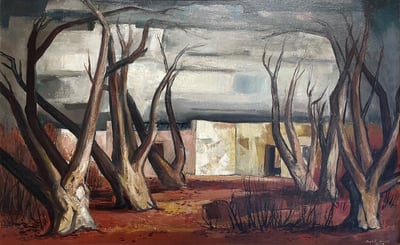
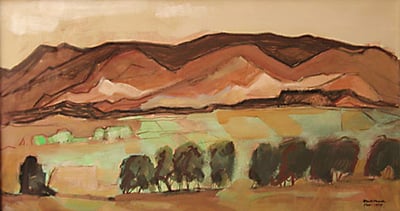
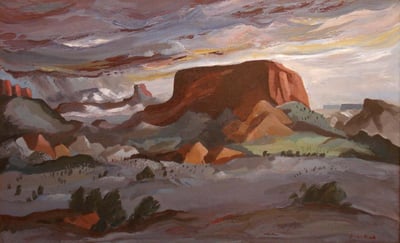
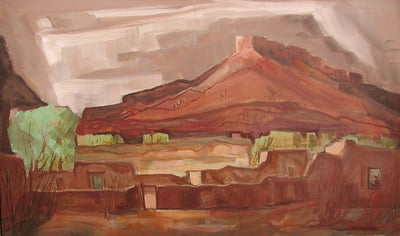
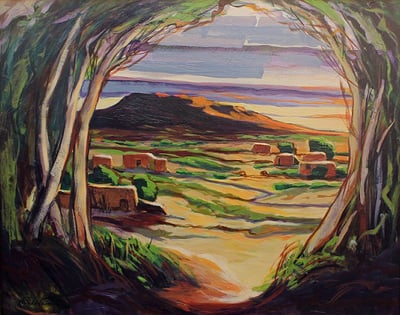
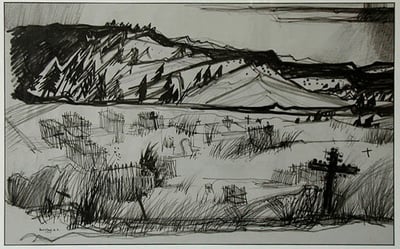
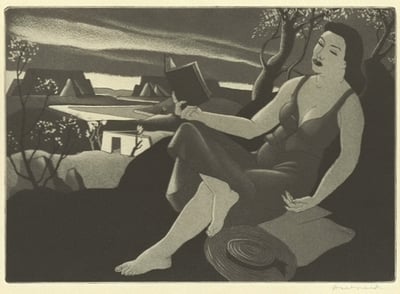
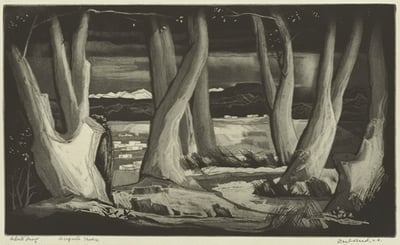
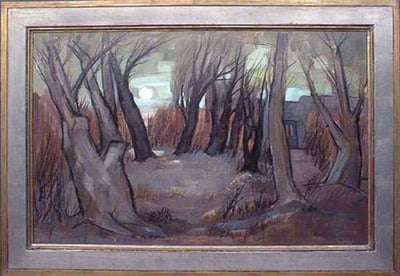
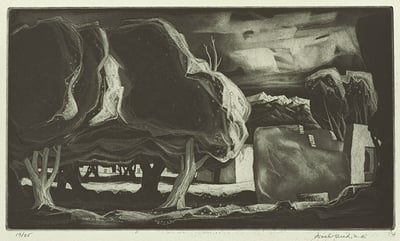
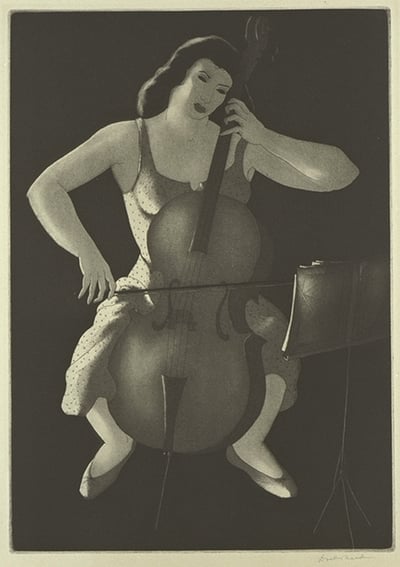
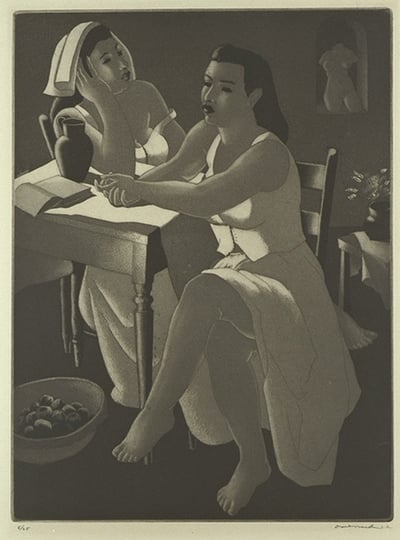
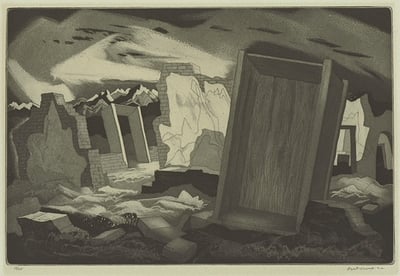
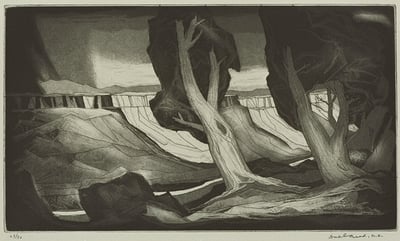
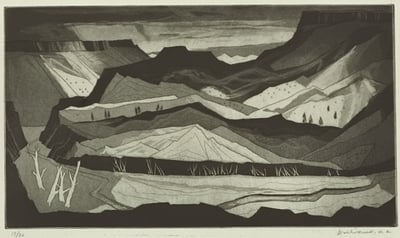
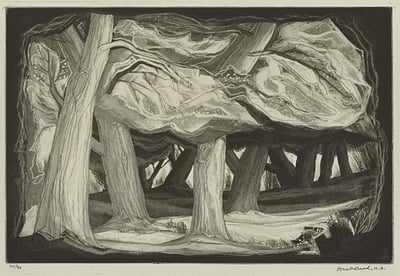
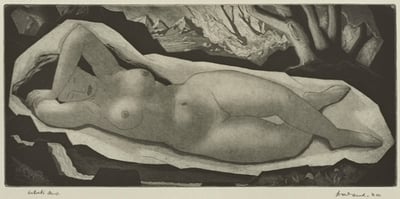
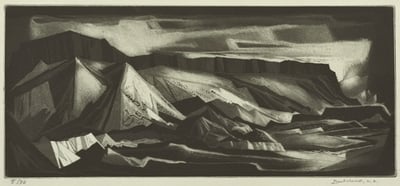
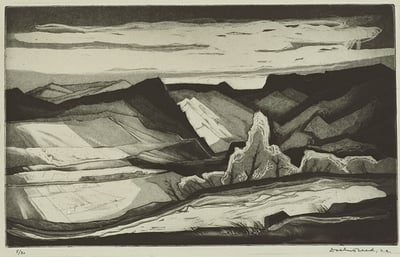
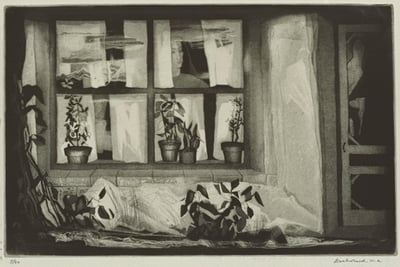
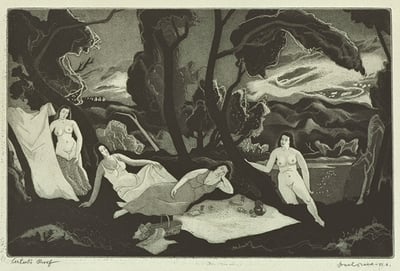
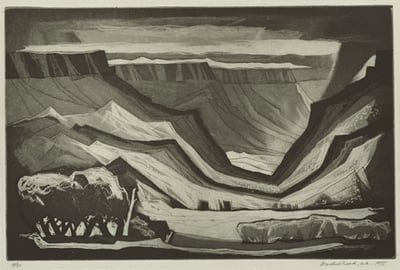
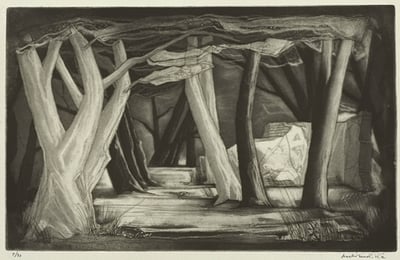
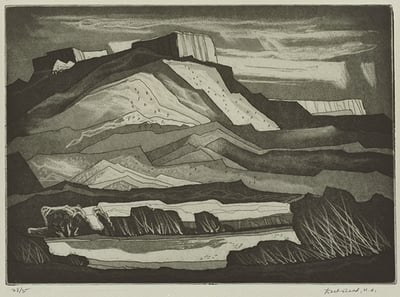
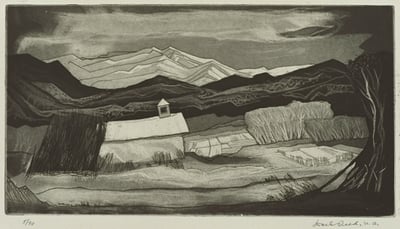
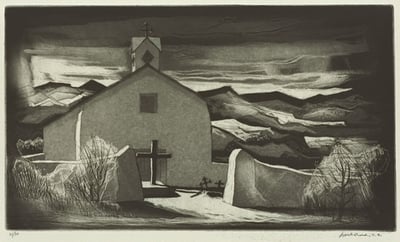
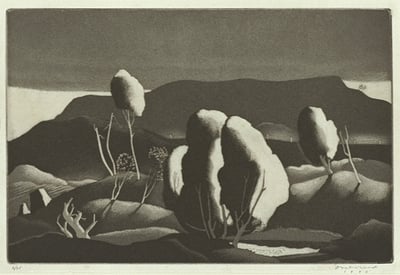
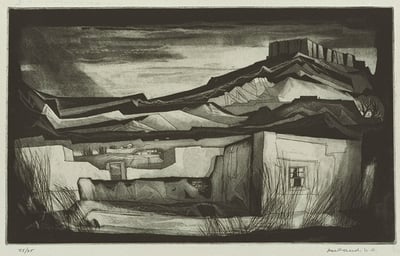
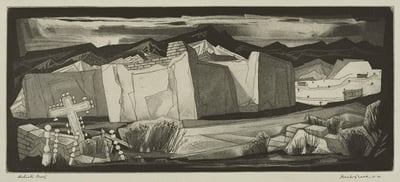
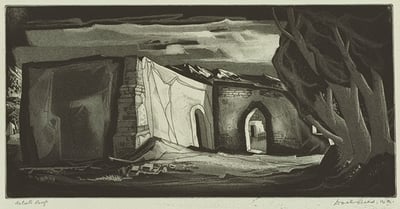
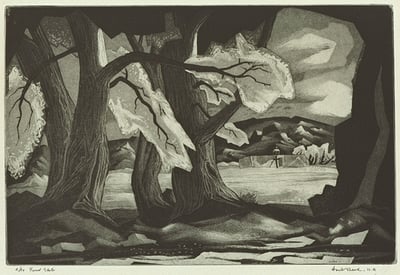
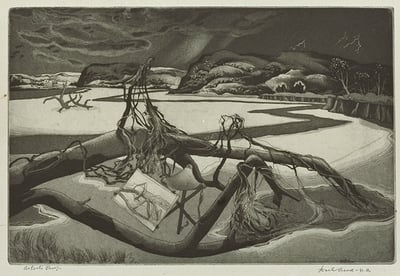
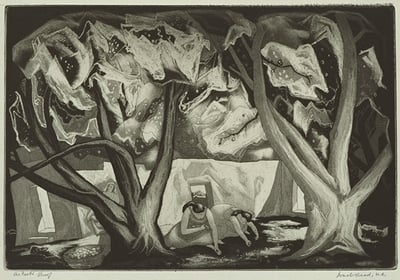
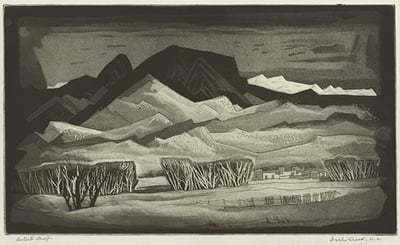
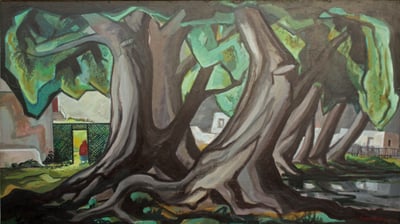
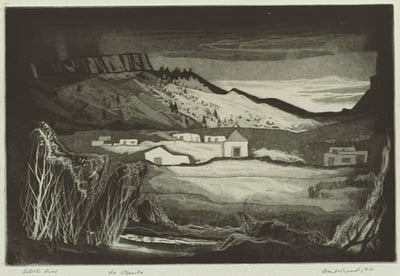
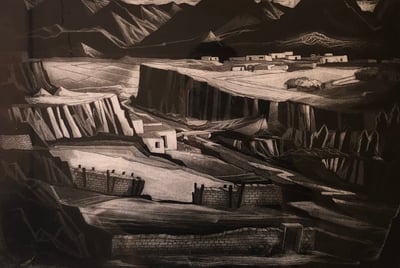
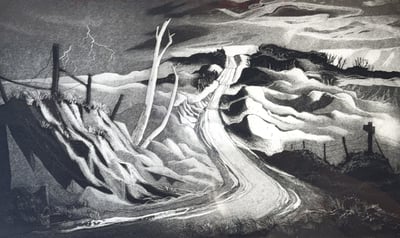
Doel Reed (1895–1985) is internationally revered as the definitive twentieth-century “master of the aquatint,” an elite distinction that makes his graphic masterpieces and geometric landscapes highly prized by premier Western art collectors. Inspired by the dramatic printmaking legacy of Francisco Goya, Reed achieved absolute virtuosity in an incredibly demanding and unforgiving medium. His highly collectable work is celebrated for introducing a sophisticated, conservative modernism to the American Southwest, transforming rugged mesas, canyons, and historic adobe architecture into breathtaking arrangements of high-contrast light, shadow, and tight geometric abstraction. Because his print editions were strictly limited and his meticulous studio process yielded few final oils and caseins, his earth-toned masterpieces are intensely sought-after centerpieces in private collections.
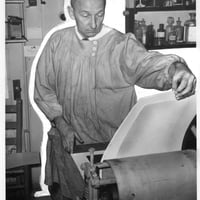
Born in Logansport, Indiana, Reed initially pursued architecture before discovering his true passion for fine drawing. He honed his exceptional technical draftsmanship at the Art Academy of Cincinnati, a journey briefly interrupted by courageous service in World War I where he suffered severe respiratory damage from mustard gas. He went on to spend thirty-five years chairing the art department at Oklahoma State University, serving as a founding visionary of the Prairie Print Makers before retiring permanently to Taos, New Mexico, in 1959. Today, his brilliant aesthetic legacy stands as a monumental pillar of post-war Western printmaking and fine art.
Currently Available
Past Works