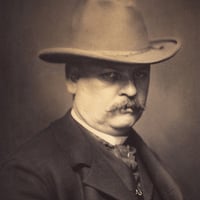
Henry Farny
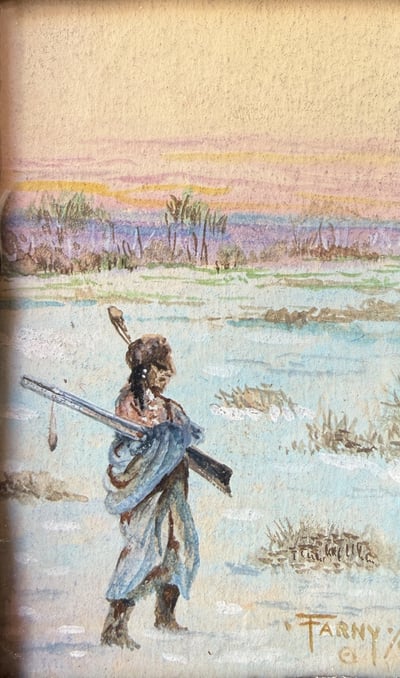
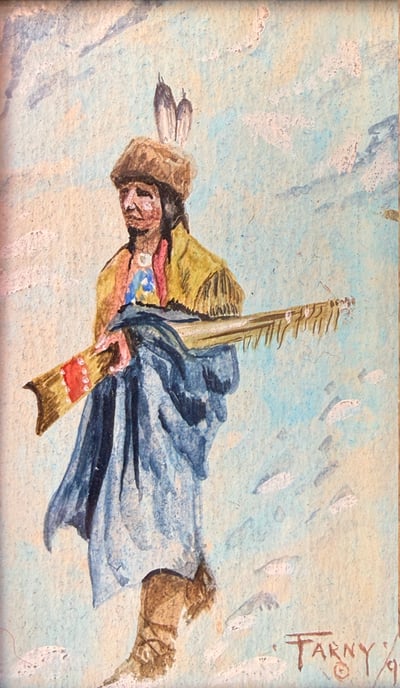
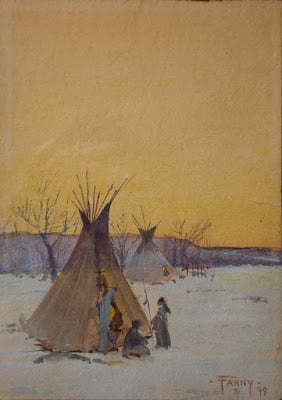
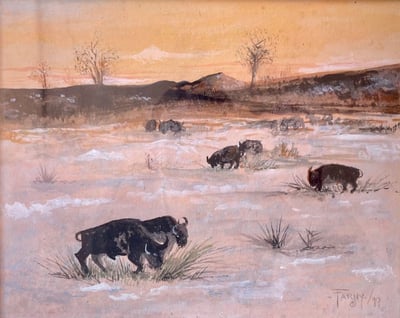
Henry Francois Farny (1847–1916) is celebrated as one of the most masterful and sympathetic chroniclers of the American West, producing rare, deeply intimate masterworks that command premium attention among art collectors. Because he worked meticulously and produced a limited number of oils, his light-filled canvases are among the most fiercely contested acquisitions in the Western art market today. While his contemporaries often sensationalized violent frontier clashes, Farny gained immense renown for his peaceful, ethnographically accurate depictions of the everyday life of Indigenous peoples. His highly collectable paintings are instantly recognizable by their distinct panoramic horizontal formats, flawless draftsmanship, and a breathtaking, gouache-tinted luminosity that perfectly captured the quiet, wintery vastness of the Plains.
Born in Ribeauvillé, Alsace, France, Farny immigrated to America as a child, eventually settling in Cincinnati, Ohio. He honed his formidable technical skills through rigorous training in Europe, studying under master academic realists in Düsseldorf, Munich, and Rome. His true artistic awakening occurred during his extensive travels through the Montana and Dakota Territories in the 1880s. There, he developed a profound respect for the Sioux people, who trusted him so completely that they adopted him into their tribe. Today, his rare and deeply reverent visual legacy stands as an unmatched primary-source document of frontier dignity.