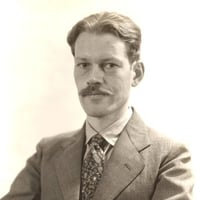
Howard Cook
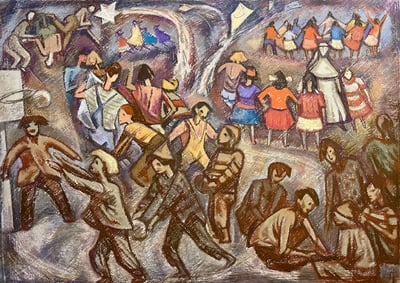
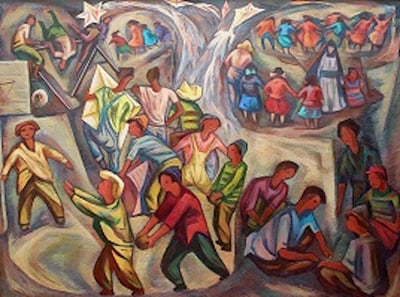
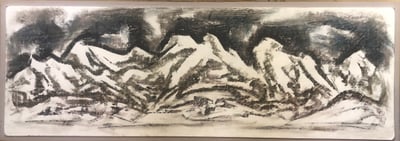
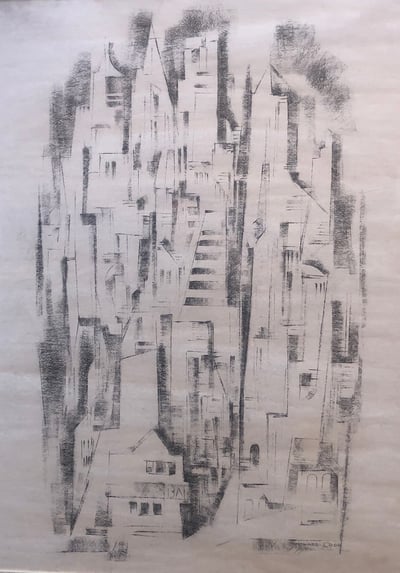
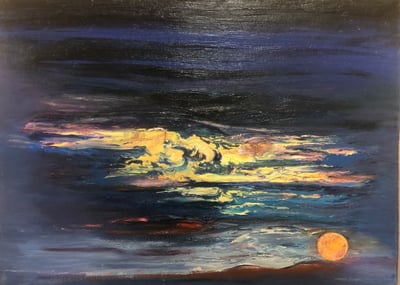
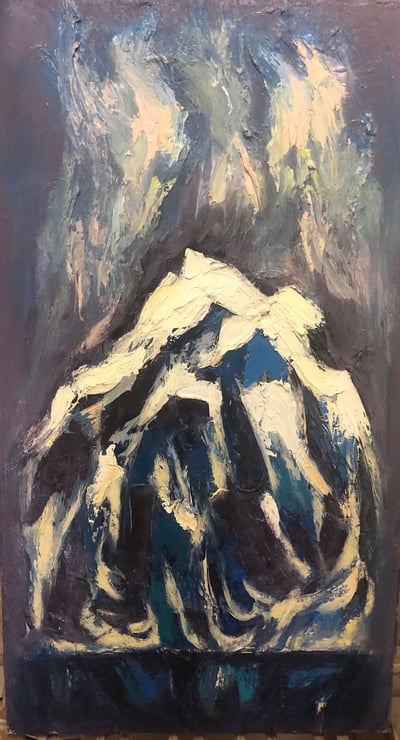
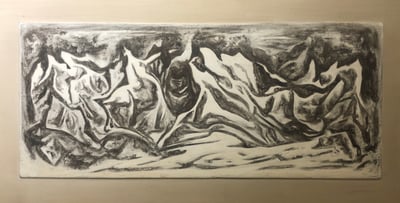
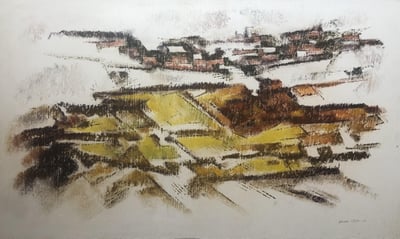
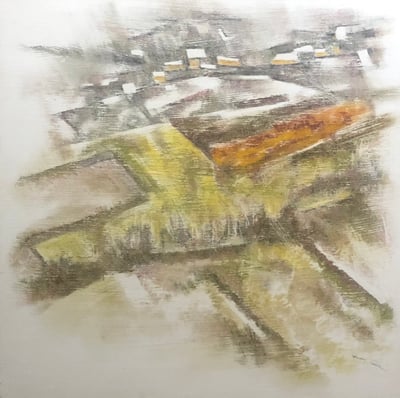
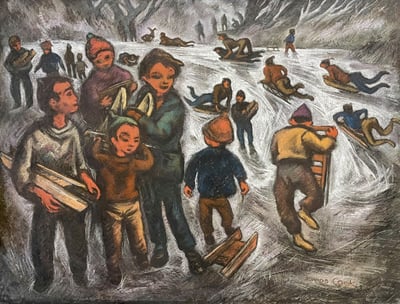
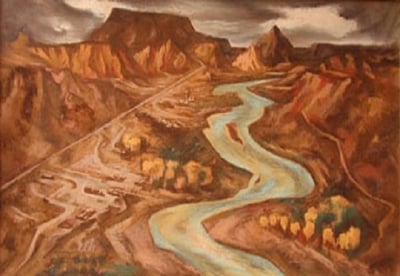
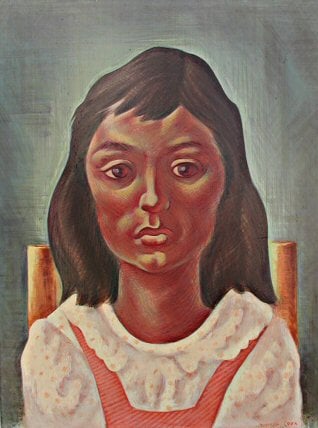
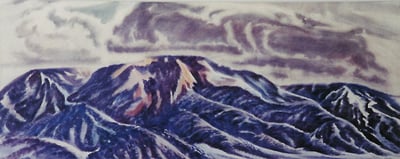
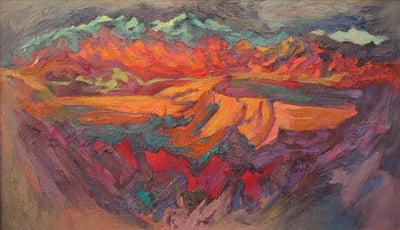
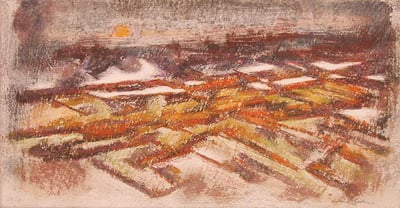
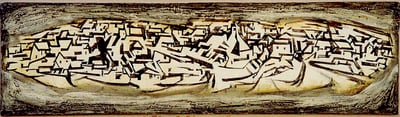
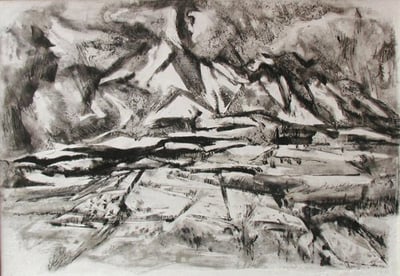
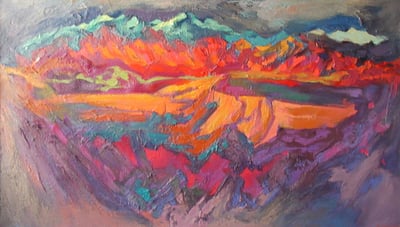
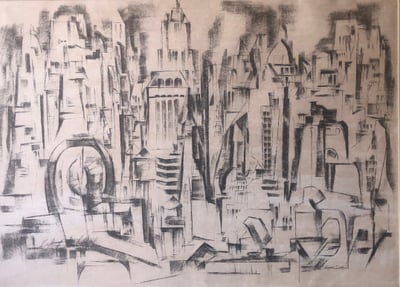
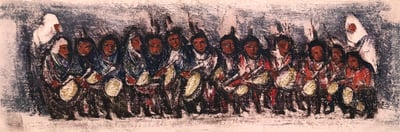
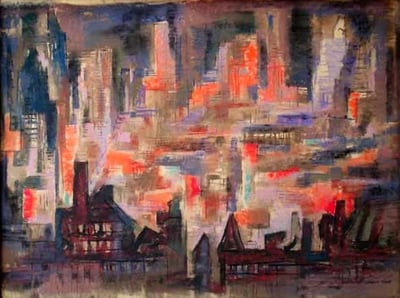
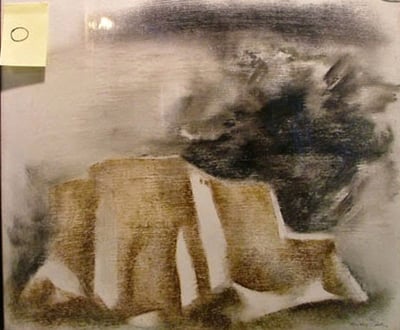
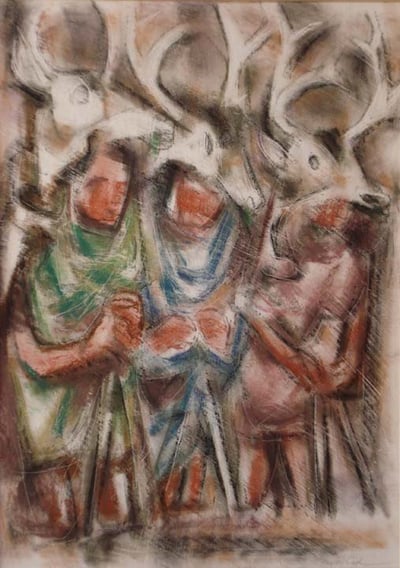
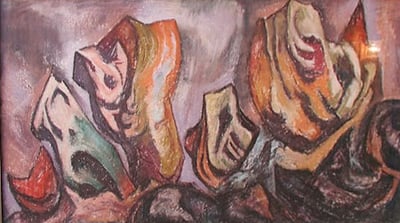
Howard Norton Cook (1901–1980) was a masterful printmaker, muralist, and painter who captured the essence of the American Southwest with unmatched graphic power and modernist sensibility. Backed by two Guggenheim Fellowships, Cook translated his sharp draftsman skills into bold wood engravings, frescoes, and dynamic oil paintings that defined New Deal-era Western art. His work beautifully evolved from stark, rhythmic representations of Pueblo dances and desert topographies into striking, earth-toned abstractions. Born in Massachusetts and trained at New York’s Art Students League under Joseph Pennell, Cook first journeyed to New Mexico in 1926 on a commission for Forum magazine to illustrate famed American author Willa Cather’s "Death Comes for the Archbishop." This encounter sparked a lifelong devotion to the region. In Taos, he met and married fellow well-known modernist artist, Barbara Latham, in 1927. They eventually settled along the Talpa ridge, immersing themselves in the vibrant local artists' community. Today, his critically acclaimed masterpieces reside in institutions like the Denver Art Museum and the Museum of New Mexico, cementing his legacy as a titan of Southwestern Modernism whose pieces remain highly sought-after by Western art collectors.
Currently Available