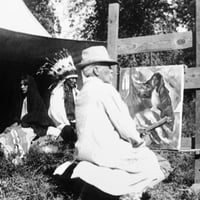
Julius Rolshoven
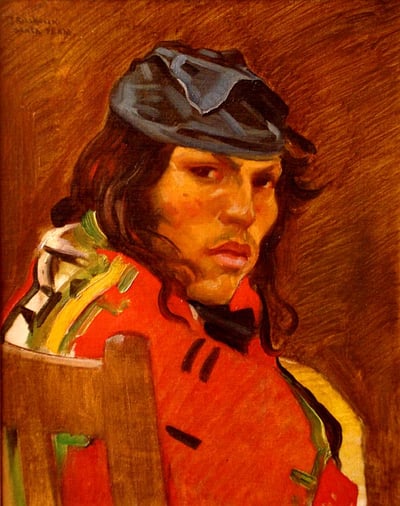
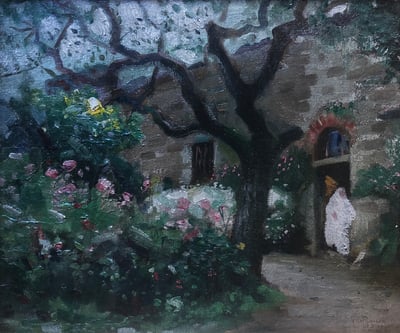
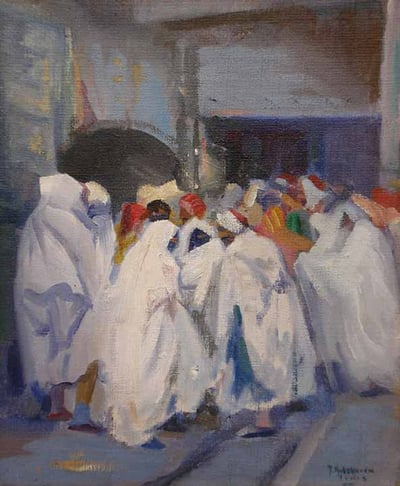
Julius Rolshoven (1858–1930) was a highly accomplished American painter and an active member of the historic Taos Society of Artists. He brought a sophisticated, cosmopolitan aesthetic to the early 20th-century Western art scene. Born in Detroit, he underwent extensive international training at premier European institutions and became one of the favored "Duveneck Boys" in Italy, cultivating a unique artistic style characterized by bold, fluid brushwork and an academic mastery of light and color. For much of his early career, Rolshoven operated highly successful studios in Florence, London, and Paris, gaining international recognition as an elite portraitist and genre painter.
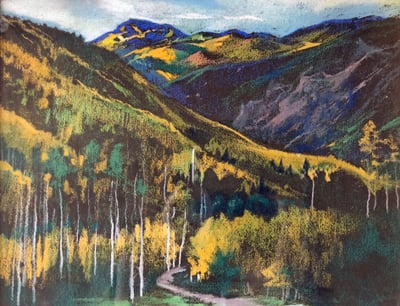
The outbreak of World War I prompted Rolshoven's return to the United States. He stepped onto the dusty platform at Taos Junction during July of 1916 and was immediately captivated by the brilliant Southwestern light, scenic topography, and vibrant heritage of the region. He was officially elected into the prestigious Taos Society of Artists in 1918, where he was highly respected by his peers for his exceptional technical capabilities. Today, his striking portraits of Pueblo people and light-filled landscapes are celebrated for seamlessly blending European elegance with the historic spirit of Taos.