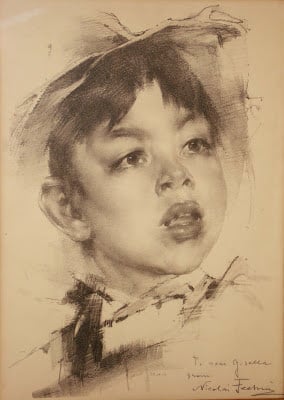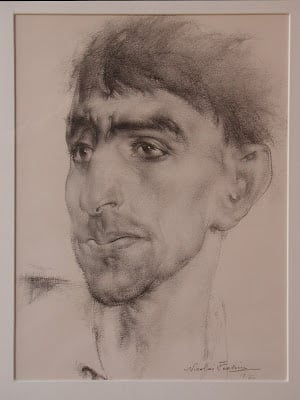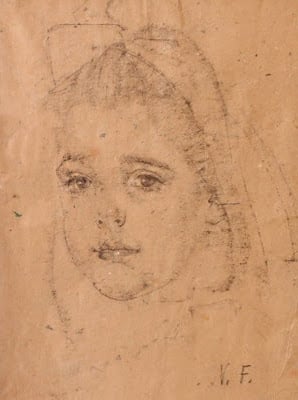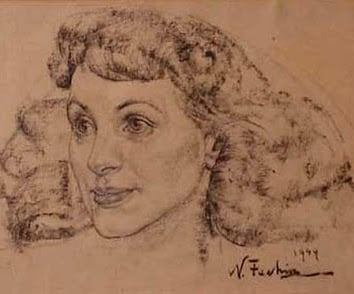
Nicolai Fechin
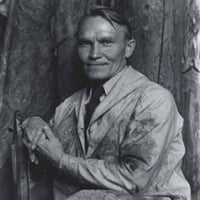
Nicolai Ivanovich Fechin (1881-1955)
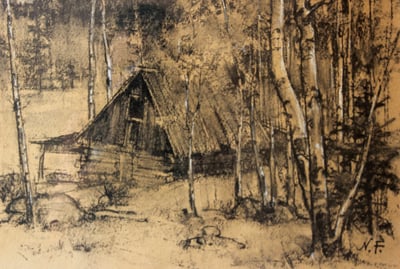
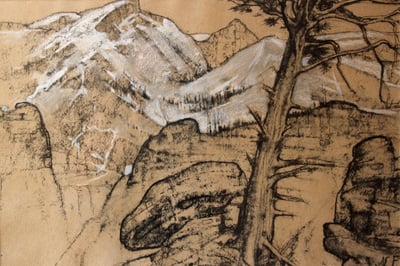
Nicolai Fechin was born in Kazan, Russia, where he spent his youth attending the Kazan Art School. His father was a woodcarver and gilder, and Nicolai continued in his family's artistic tradition, going on to become an accomplished painter, woodcarver, sculptor, and draftsman.
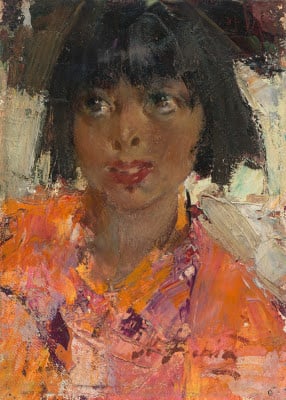
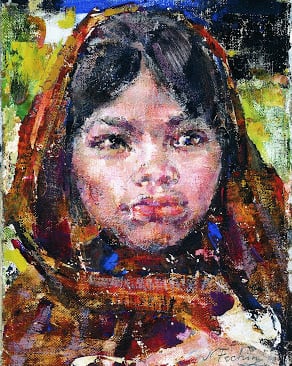
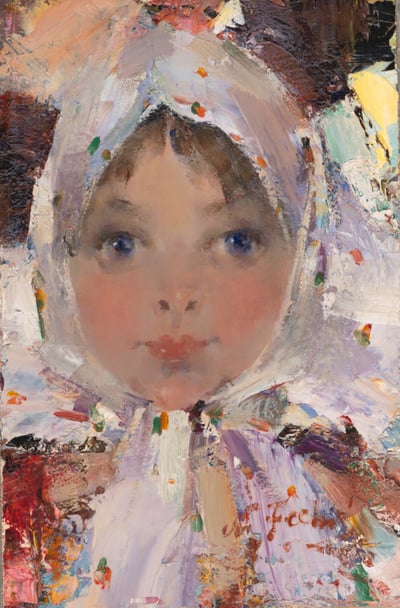
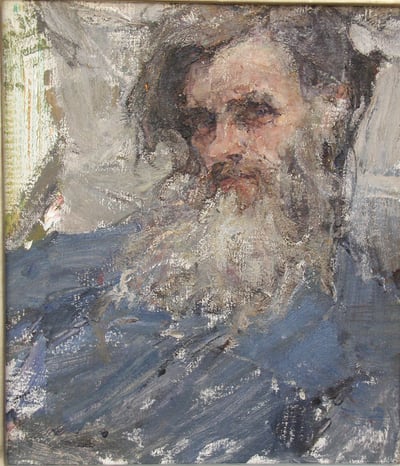
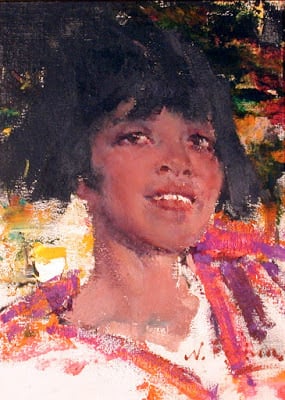
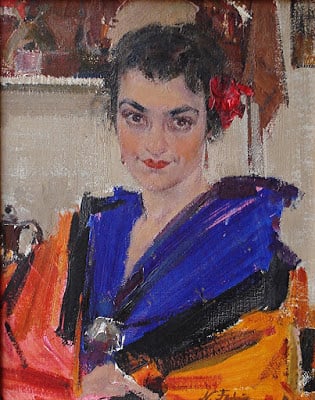
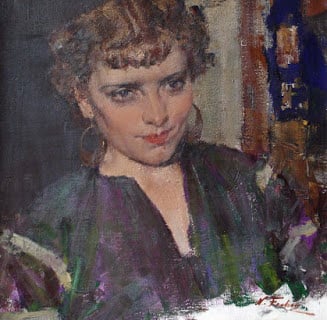
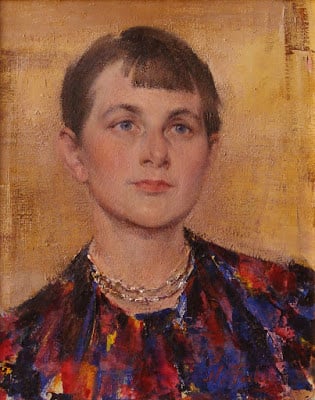
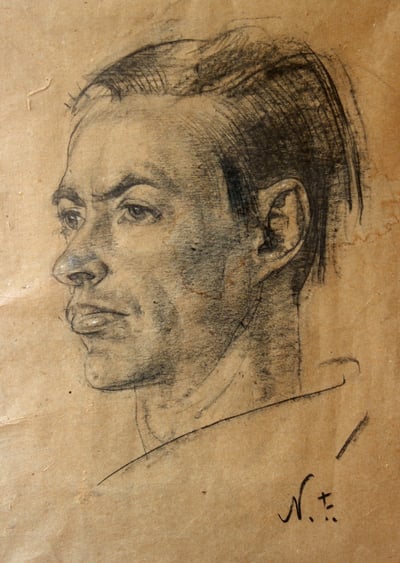
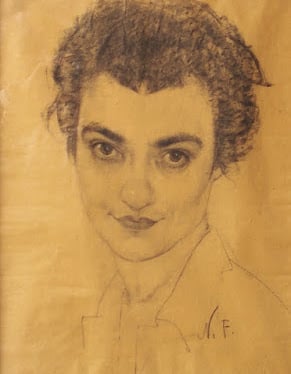
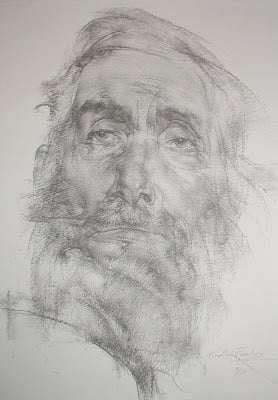
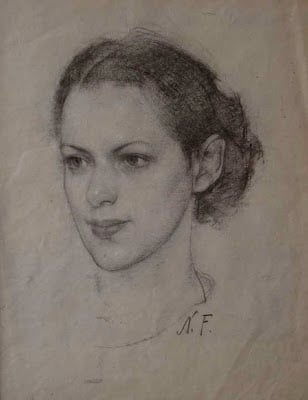
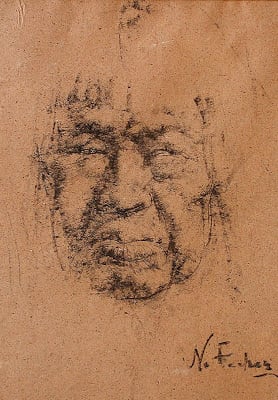
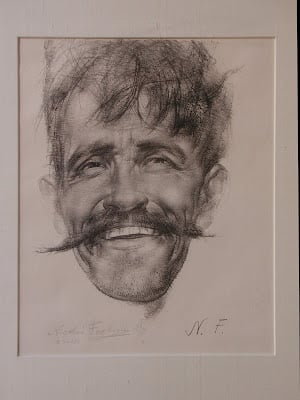
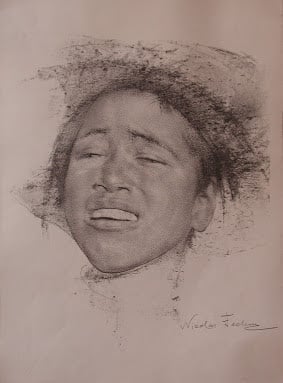
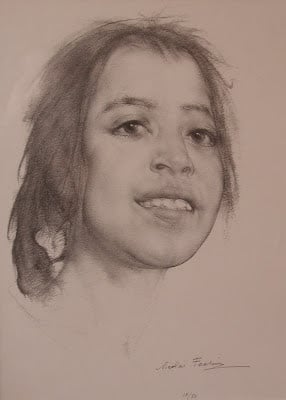
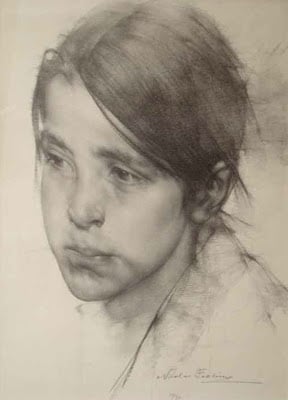
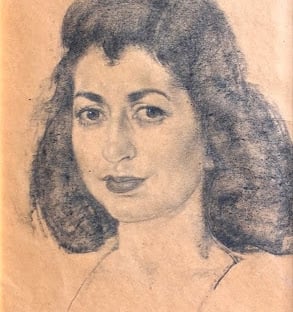
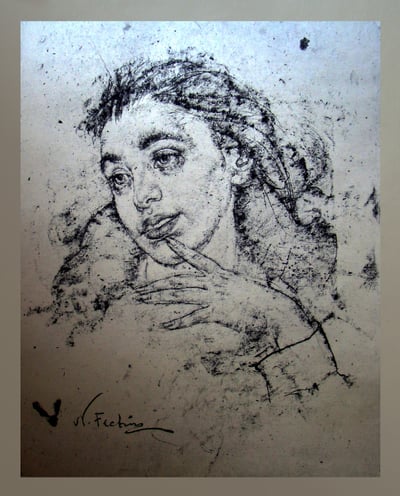
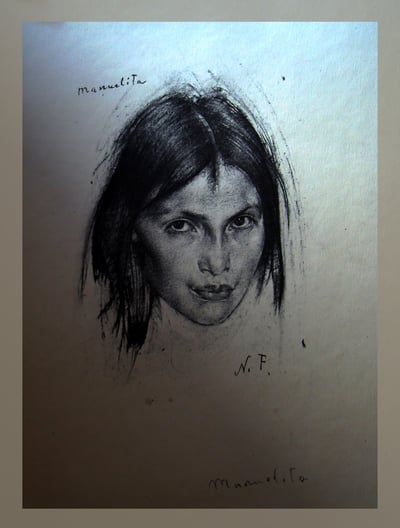
Painting remained Fechin's primary artistic pursuit throughout his life, however, and today he is recognized mostly for his portraits.
As an art student Nicolai garnered many accolades, including an invitation to his first international exhibition in 1910 at the Carnegie Institute in Pittsburgh, a gold medal prize at the Munich Annual International Exhibition in 1910, and a traveling fellowship at Prix de Rome. It was during this time that his work first caught the eye of the American public, which would later prove important as Fechin eventually sought help in immigrating to the United States in 1923 after weathering the Bolshevik Revolution in his homeland.
Nicolai, assisted by American collectors W.S. Stimmel and Jack R. Hunter, settled in New York with his wife and young daughter, where a teaching career at the New York Academy of Art awaited the artist. The family would move again just a few years later in 1927, when Nicolai contracted tuberculosis and, with the encouragement from his friends Mabel Dodge and John Young Hunter, sought out the healing climate of Taos, New Mexico.
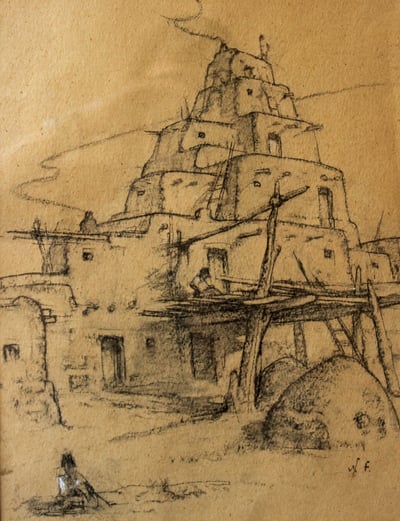
It was in Taos where Nicolai designed and built his masterpiece of a homestead, with beautiful carved details reminiscent of Russia yet perfectly blended with the native pueblo architecture of New Mexico. The home still stands as a museum today, now known as the Taos Art Museum at Fechin House, donated by his daughter Eya in 1981.
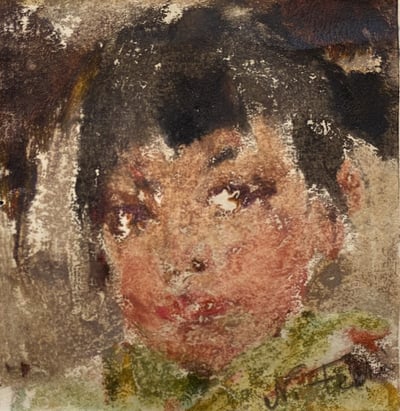
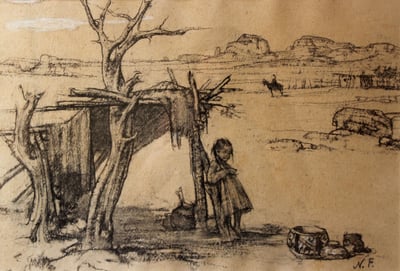
Although he joined many other notable artists of his time in crafting new lives in Taos, New Mexico, it must be emphasized that the international success and recognition that was bestowed upon Nicolai could not be rivaled. After divorcing his wife in 1933, Fechin moved to Santa Monica where he set off on more worldly adventures, sketching and painting the peoples of Bali, Java, Mexico, and Japan before his passing in 1955.
Past Works