Walter Ufer
Walter Ufer (1876-1936)
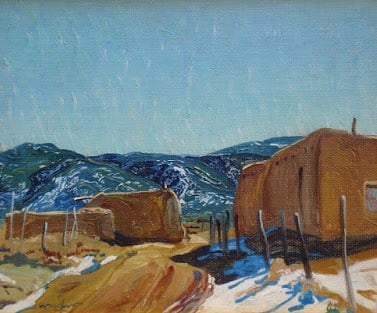
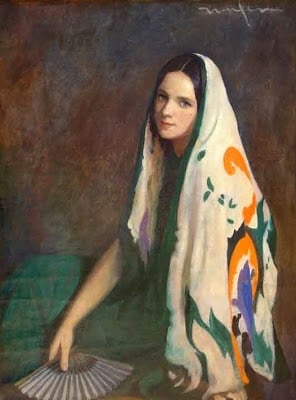
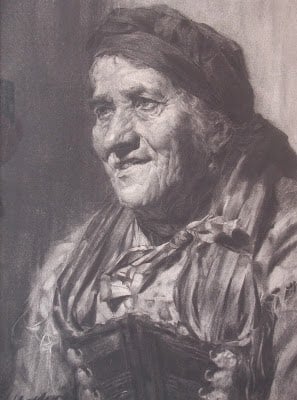
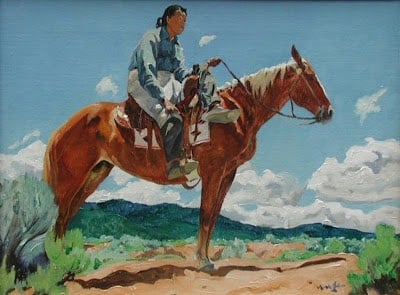
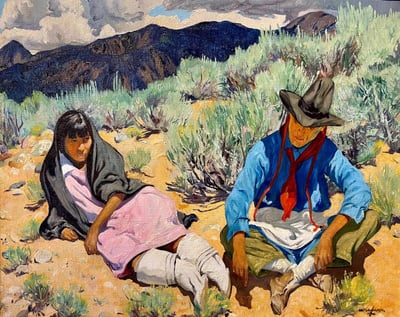
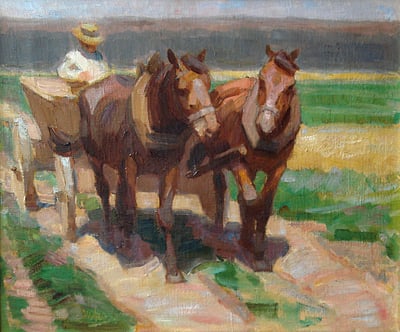
Walter Ufer's social realist paintings of the Taos Pueblo stand out among the works of Taos Society of Artists in their vivid portrayal of the everyday life of their subjects. In his early years as an artist, Ufer maintained an apprenticeship with a commercial lithographer in his hometown of Louisville, Kentucky. From there, Ufer left for Europe, traveling and studying studying abroad for the next seven years.
It was in Europe where he met J.H. Sharp and Ernest Blumenshein, which ultimately led to a relocation in Chicago and connections to important benefactors including Carter Harrison and Oscar Mayer. With the financial backing of these two men, in 1914, Ufter set out for Taos, New Mexico, where he was immediately taken with the indigenous Pueblo culture.
A devout socialist and personal friend of Leon Trotsky, he maintained a profound awareness of the Native American's struggles to preserve their racial and cultural identities in the face of Western expansion and development. Ufer's anger and distress around their plight surfaces in his work, and many of his paintings are imbued with a somber air.
Shortly after his arrival in Taos, Ufer's talent was recognized as he accepted the invitation to join the Taos Society of Artists. The artist achieved commercial success throughout the 1920s, even while painting sporadically and struggling with a chronic alcohol addiction. With the stock market crash of 1929, Ufer increasingly distanced himself from his art until his passing in 1936.