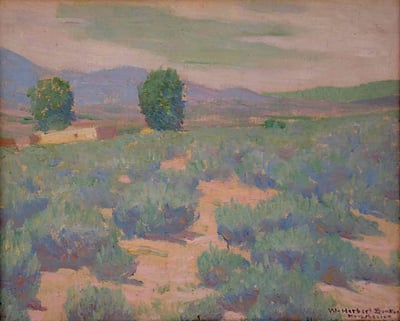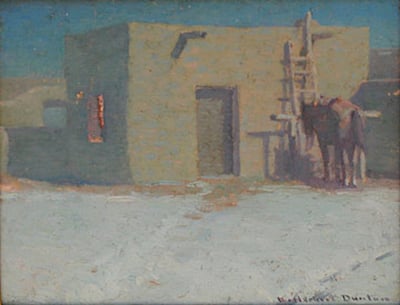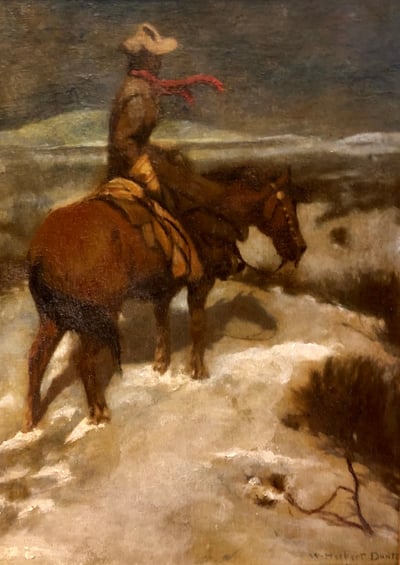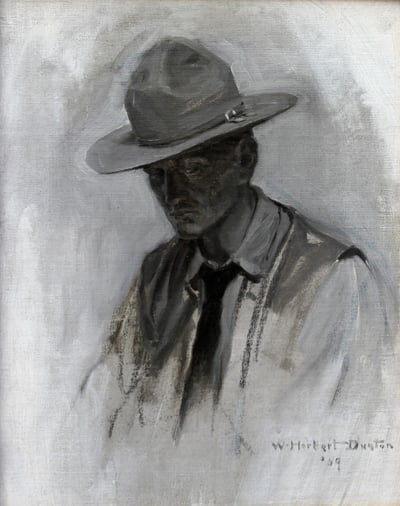
W. Herbert Dunton
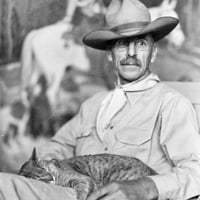
William Herbert (Buck) Dunton (1878-1936)
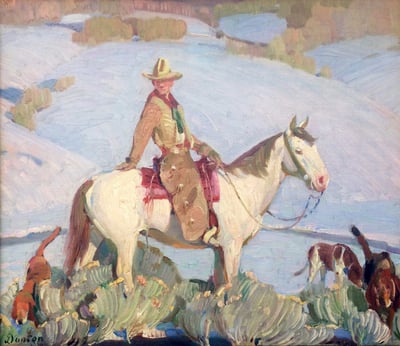
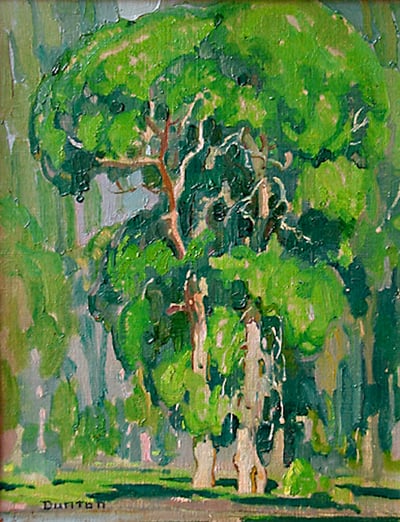
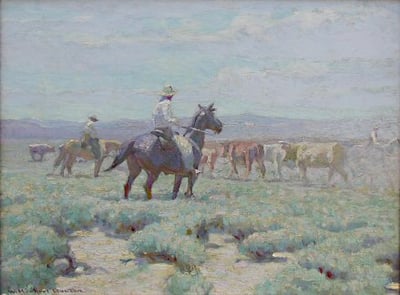
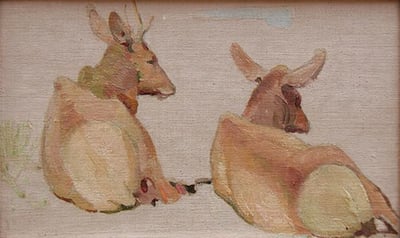
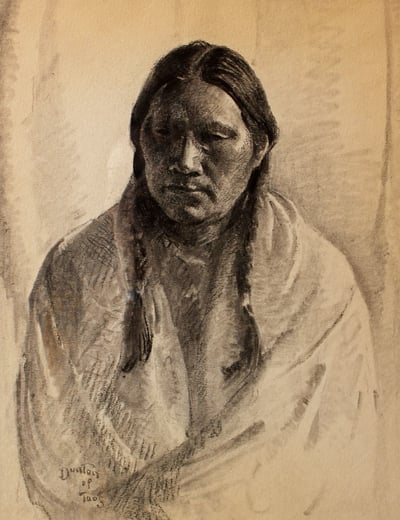
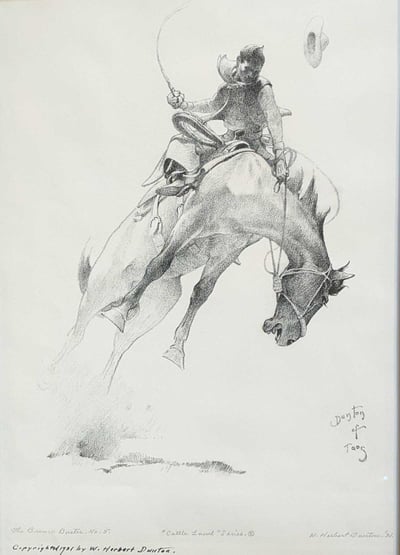
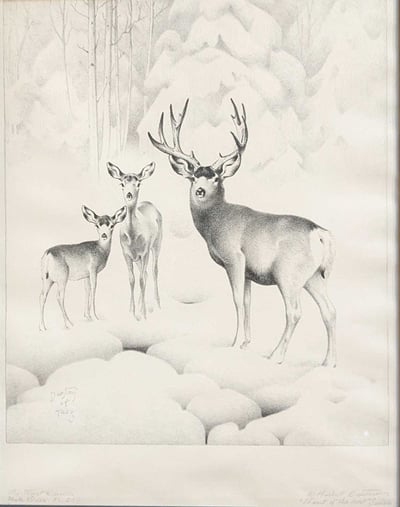
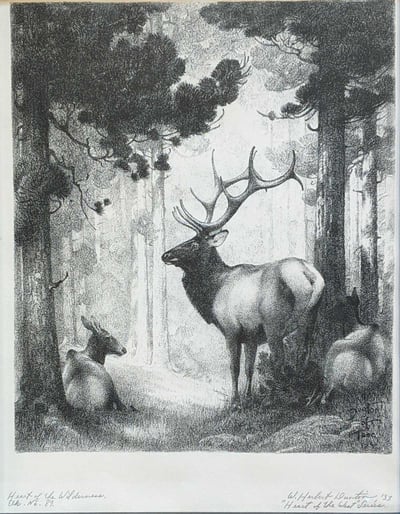
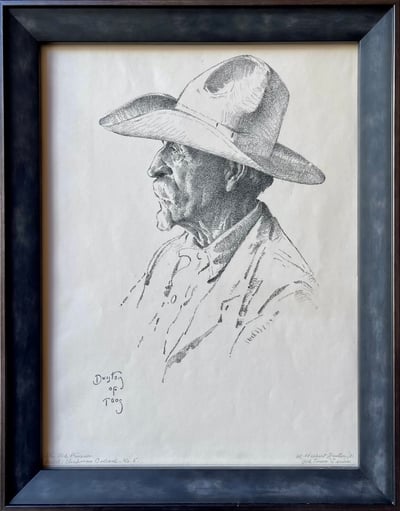
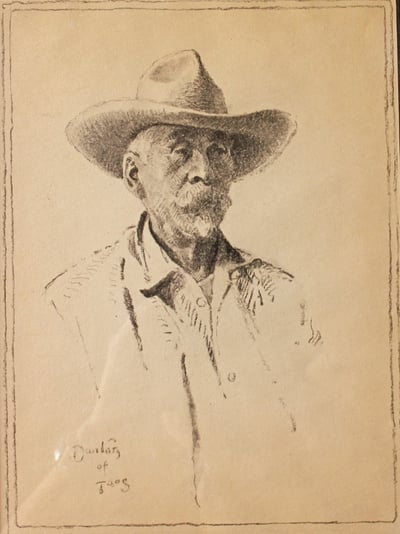
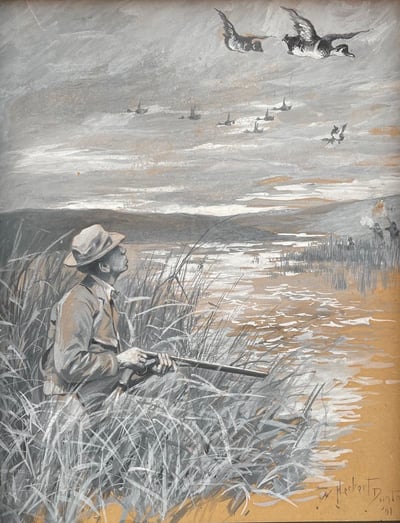
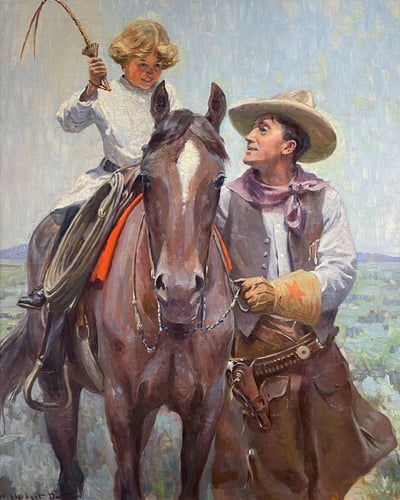
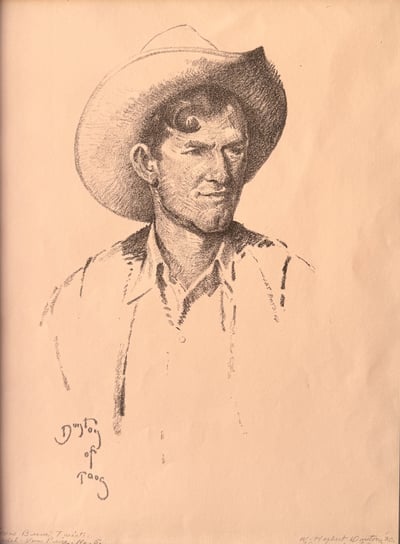
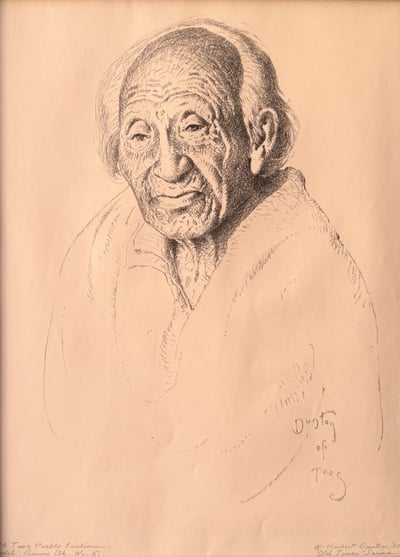
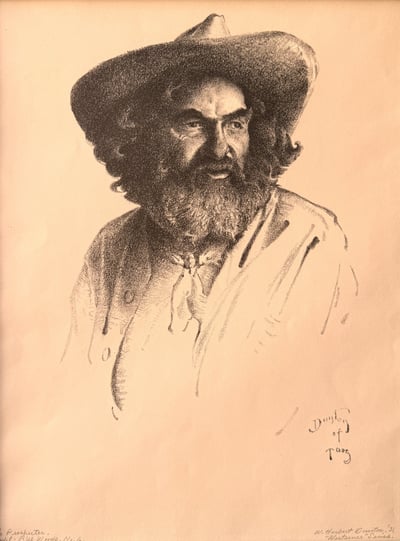
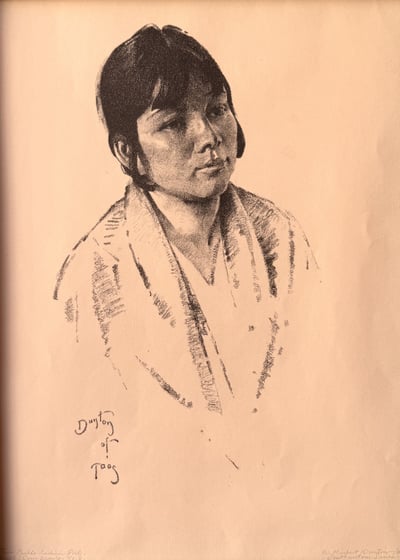
Buck Dunton, as he was known to his friends, began his career as a magazine illustrator traveling widely in the West each summer to gather ideas and sketches for his work. In 1912, he studied briefly at the Art Students League in New York under Ernest Blumenschein, who suggested that he visit Taos. Like many other artists, Dunton responded immediately to the natural pictorial wealth of the area and decided to make his permanent home there. When the Taos Society of Artists was organized later that year as a sales exhibition group, Dunton was among its charter members. An outdoorsman, who had worked as a ranch hand and cowboy in his youth, Dunton found his favorite subjects in the wildlife of the region and the rugged men of the range. He hoped to record the spirit of the Old West before even its memory disappeared.
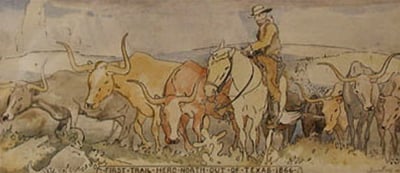
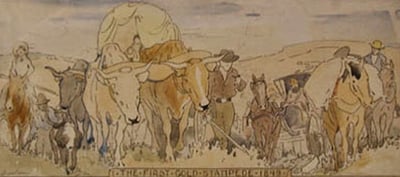
“In another twenty five years, the old time westerner will have gone, gone with the buffalo and antelope.” During the depression years, he executed the only murals of his careers, three lunettes for the State Capitol at Jefferson, MO. At about the same time, Dunton turned to lithography, a medium he continued to explore until his death in 1936. Dunton’s dramatic action packed paintings offered in visual terms the equivalent to the narratives produced by writers of romantic western fiction. During his travels, he carried his sketchbooks and pencil and diligently documented the last frontier.
Currently Available
Past Works